Finse sits at 1,222 metres on the Bergen Line, the highest point on the railway between Oslo and Bergen and one of the highest passenger stations in northern Europe. It is not a village. It is a station, a hotel, a DNT hut, a polar exploration museum, and a turbine house, all within a few hundred metres of one another.
There is no road to Finse. The only access is by the train, which stops four times a day in each direction, or on skis or foot across the Hardangervidda plateau in summer.
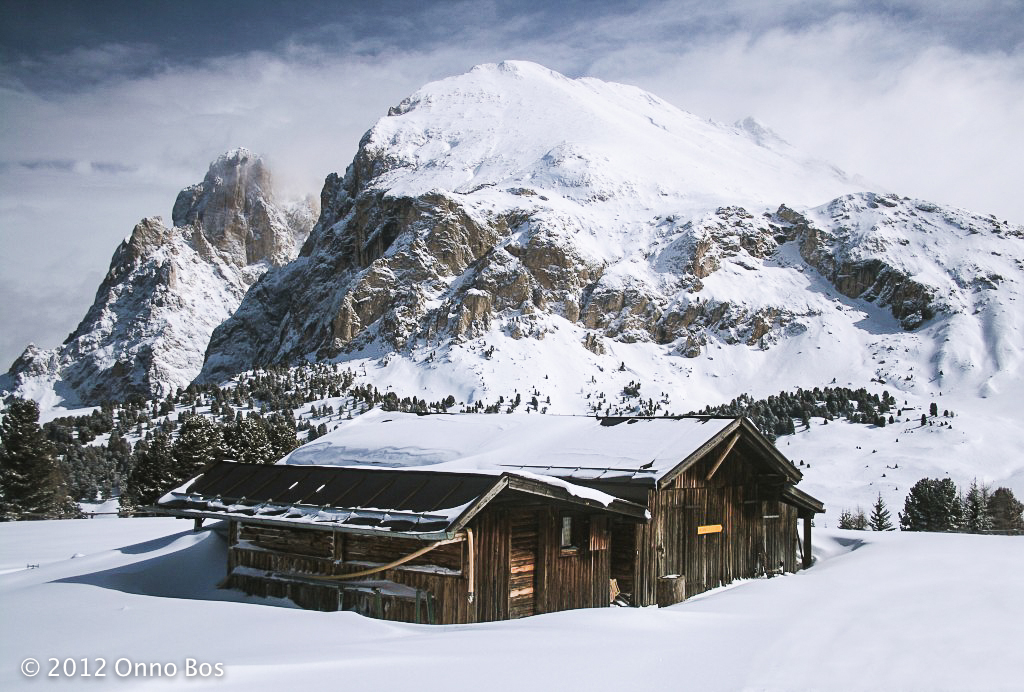
The DNT hut at Finse, Finsehytta, has been in continuous operation since 1923. It sits a hundred metres west of the station, a long red building with white trim and a steeply pitched roof against the winter snow load. It sleeps roughly 200 in a mix of dormitories and family rooms.
Finsehytta is one of the largest of the DNT's roughly 550 staffed and unstaffed huts. It is open year-round, which is unusual. Most DNT huts close in shoulder seasons. Finse's adjacency to the railway makes year-round staffing economically possible.
The current warden, Sigrid Aamot, has run the hut since 2018. She is fifty-two and trained as a hotel manager in Geilo. She manages a year-round staff of fourteen, which scales to twenty-two during the spring ski-touring peak in March and April.
Finse's busiest weeks are not in summer but in late March, when ski tourers from across Norway and the rest of Europe arrive for the Hardangervidda crossing. The route from Finse to Geilo via Krækkja, Lågaros, and Tuva is a classic five-day traverse. Finsehytta is the standard starting point.
On the platform at Finse station, ski tourers unload from the morning train from Oslo, organise their pulks on the snow, and set off across the plateau within an hour. Aamot's staff has the breakfast service running by 06:30 to accommodate them.
The station building itself, completed in 1908, is small and well-kept. The waiting room has a coal stove that is no longer used, a clock that still works, and a glassed display of historic photographs of the line's construction.
Finse was the highest point on the Bergen Line's construction, which proceeded between 1894 and 1909 in some of the most difficult terrain Norwegian railway engineers had attempted. The line crosses the Hardangervidda plateau at an exposed elevation that requires year-round snow management.
The Bergen Line uses three turntable-equipped snow ploughs to keep Finse open through the winter. The plough operations are based at the Finse turbine house, a substantial brick building that also accommodates the line's hydroelectric backup and the maintenance crews who live at Finse year-round.
There is a small permanent year-round population at Finse, perhaps thirty people. They include the railway maintenance crews, the hotel and hut staff, the museum's caretaker, and a small research team affiliated with the University of Bergen who monitor the Hardangervidda's climate.
The Finse hotel, Finse 1222, is across the platform from the station. It has fifty rooms and is run independently of the DNT hut. It serves a slightly different clientele: more couples on weekend escapes from Bergen and Oslo, fewer skiers in technical kit.
The polar exploration museum, Polarmuseet på Finse, occupies a small building near the turbine house. It commemorates the use of the Hardangervidda as a training ground by polar expeditions, including Scott's 1910 South Pole party and Shackleton's planning crews before the 1914 Endurance voyage. The museum is open Wednesdays and Saturdays in summer and by appointment in winter.
Sigrid Aamot keeps Finsehytta's kitchen open from 07:00 to 21:30 year-round. The menu varies by season: hearty Norwegian stews and dumplings in winter, lighter plates of fish and potato in summer. The hut bakes its own bread daily. The cinnamon buns, by long reputation, are excellent.
Power at Finse comes from the railway hydroelectric system at Skytje, twelve kilometres east, which feeds the Bergen Line and the station complex. Backup is by diesel generator. The station has never lost power for more than four hours in any single winter event in the last forty years.
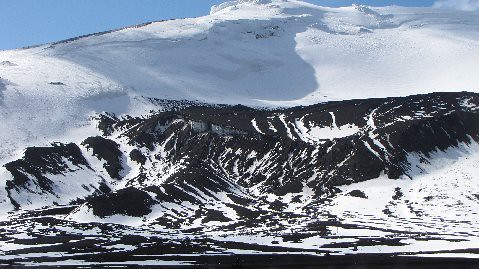
The Hardangerjøkulen glacier sits twelve kilometres south of Finse and is a popular summer destination for visitors with mountaineering training. The route to the ice from Finsehytta is a long day's walk on a good path that crosses the high plateau. Conditions on the ice itself require crampons, rope, and competent companions.
Aamot says the most difficult management challenge of running Finsehytta is the train schedule. Guests arrive in pulses of two hundred and need to be fed and settled within ninety minutes. The hut runs more like a small ferry terminal at peak times than a traditional alpine refuge.
She also says, when asked what makes Finse work, that it is the unusual combination of the railway and the mountain. Guests arrive at altitude without effort, but the moment they step off the platform they are on the plateau, and the plateau does not care about the train.
On a clear evening in late May, with the snow still deep on the surrounding hills and the train from Bergen pulling in at 19:42, Finse looks much as it must have in 1923: a small set of buildings, lit yellow against the cold, holding their ground in the middle of a long white space.
Filed under