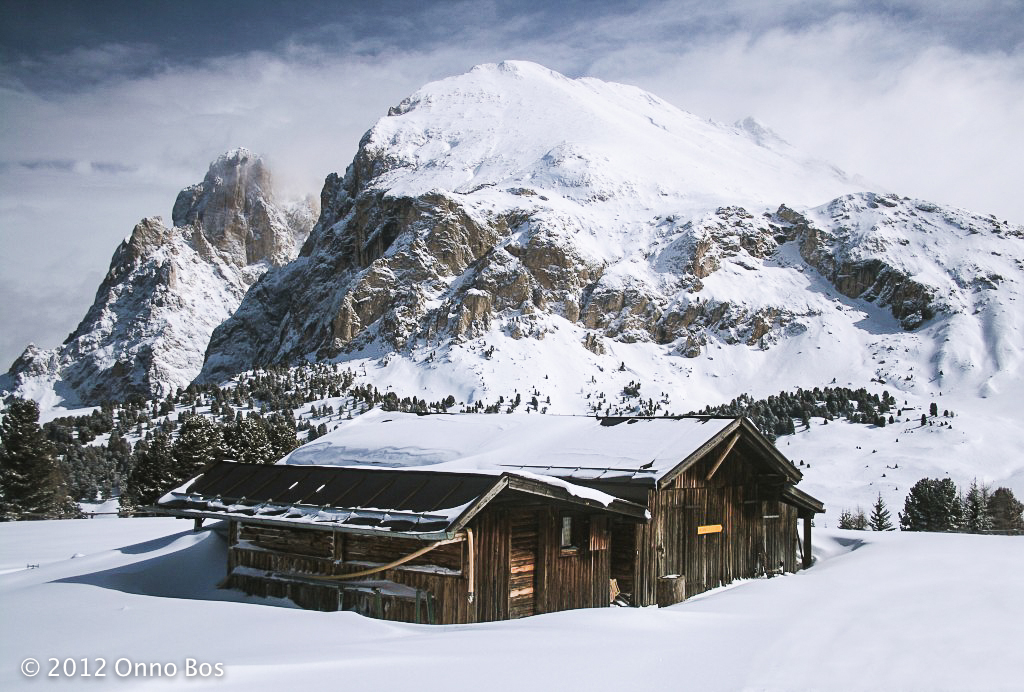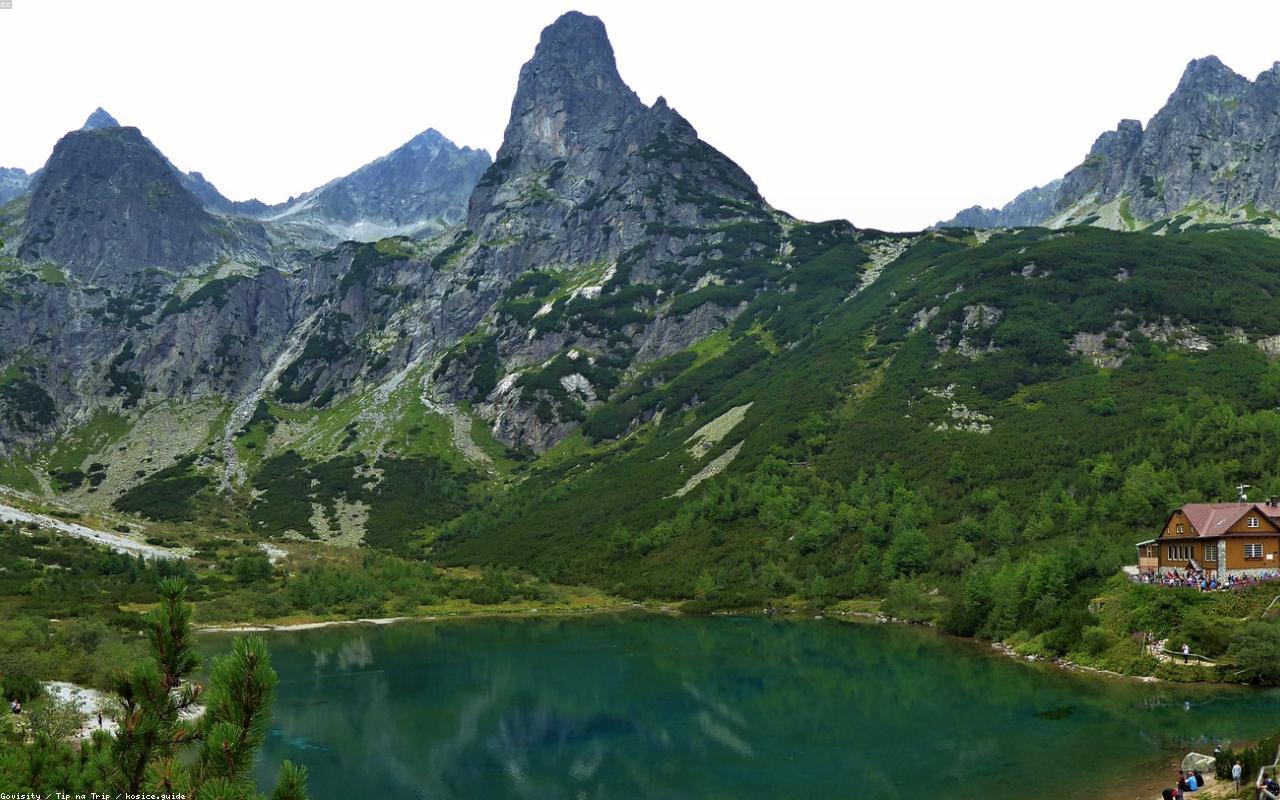
Chata pri Zelenom plese sits at 1,545 metres on the eastern shore of the Zelené pleso lake in the High Tatras of northern Slovakia. The hut has been continuously operated since 1897, making it one of the oldest still-functioning mountain houses in central Europe.
On 18 June 2026, the hut had thirty-six guests booked for the night and three staff to serve them. The warden, Tomáš Brezina, was working a section of the dining room himself. He has run the chata since 2011 and is forty-six.
The Slovak mountain hut network operates under the Klub slovenských turistov and a handful of private operators. Most of the twenty-eight staffed huts in the High Tatras report similar staffing gaps in 2026, with vacancy rates between 18 and 24 percent through the summer season.
The trade has not collapsed. The huts are not closing. What has changed, by Brezina's account and by the Klub's published figures, is the difficulty of staffing the support roles: kitchen helpers, cleaners, supply carriers. The warden positions themselves remain competitive.
Brezina pays his summer kitchen staff roughly 1,250 euros a month plus board. The figure has risen 22 percent since 2022. He says it is still not enough to attract Slovak workers who can earn comparable money in lowland hospitality without the carry-in to 1,545 metres.
Most of his 2026 staff are Ukrainian. Two are from Lviv and one from Mukachevo. They speak working Slovak. They have been with the chata for three seasons and seem, by Brezina's account, content with the arrangement.
The Zelené pleso hut is on the Magistrála trail, the long high traverse of the High Tatras that has been a backpacker's classic since the 1960s. Through-walking has revived since 2019 after a long decline. The hut's summer occupancy in 2026 is running near 95 percent.
Dinner is served in two seatings. The menu is short: a soup, a meat or vegetable main with potatoes or dumplings, a strudel for dessert. The kitchen produces about seventy covers per seating with two cooks and one dish washer. The pace is exact and unhurried.
Supply to the hut comes by porter and by a small narrow track passable to a quad bike. The porters, a small group of long-time carriers organised informally out of the village of Tatranská Lomnica, bring up perishables three times a week.
The most famous of the Tatra porters, Laco Kulanga, retired in 2023 after thirty-eight years on the trails. He had carried, by his own and his employers' joint estimate, more than 380,000 kilograms of supplies to high huts across his career. His successors are mostly in their thirties.
Brezina keeps the porter logbook in the same hand his predecessor used. Each delivery is recorded by date, weight, items, and porter. The book runs back to 1958. Brezina says he reads it occasionally on quiet evenings and is struck by how little the work has changed.
The chata sleeps fifty-two in dormitories and a small set of two-bed rooms. Bunks are wooden and creak. Bedding is provided. There are hot showers, fed by a small boiler that runs on supply propane. The water is rationed to four minutes per guest.
Electricity comes from a small hydro turbine on the outflow of Zelené pleso. The system was installed in 1998 and refurbished in 2019. It produces about eight kilowatts in summer flow conditions and is sufficient for lighting, refrigeration, and kitchen equipment.
The Tatra National Park's regulations require all guests to descend to the hut by dusk in summer. Brezina enforces the rule politely but firmly. Late arrivals from the Magistrála are turned around at the door if the hut is full. In 2026 this has happened on average twice a week.
The most common medical issue Brezina handles is altitude-related fatigue in unprepared walkers from the cities. The hut keeps a small oxygen cylinder and a basic first-aid kit. Genuine emergencies require helicopter evacuation by the Horská záchranná služba from Poprad, typically within forty minutes.
Brezina has thought about leaving the post several times. He says the work is more administrative than it was when he started. Permits, food safety paperwork, energy reporting to the park, staff visa support. The mountain part of the job, by his estimate, takes up perhaps a third of his week.
He is not, he says, going to leave. He has built a relationship with the place that he does not see as separable from himself. His daughter, who is fourteen, spends most summer weekends at the hut. She has a small bunk in the warden's quarters and a fierce opinion about the strudel.
The Klub slovenských turistov has begun a quiet conversation about wages and recruitment for the 2027 season. Brezina is on the working group. He says reasonable measures are likely to come out of it. He also says he has heard similar conversations before.
The chata at Zelené pleso, meanwhile, keeps its rhythms. Dinner at 18:00 and 19:30. Breakfast at 06:30. The hike-in walkers arrive in the afternoon and stay one night and walk on. The lake outside the kitchen window is still, in early morning, the colour the chata is named for.