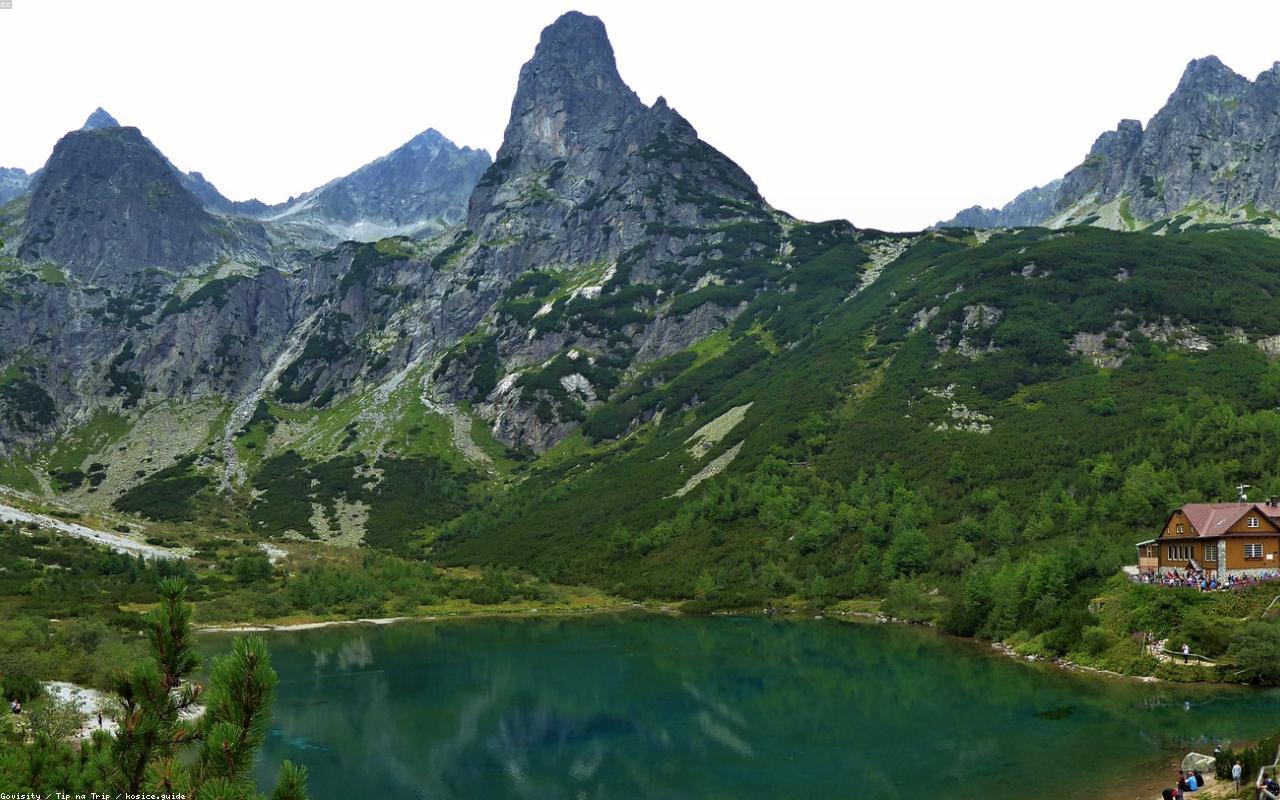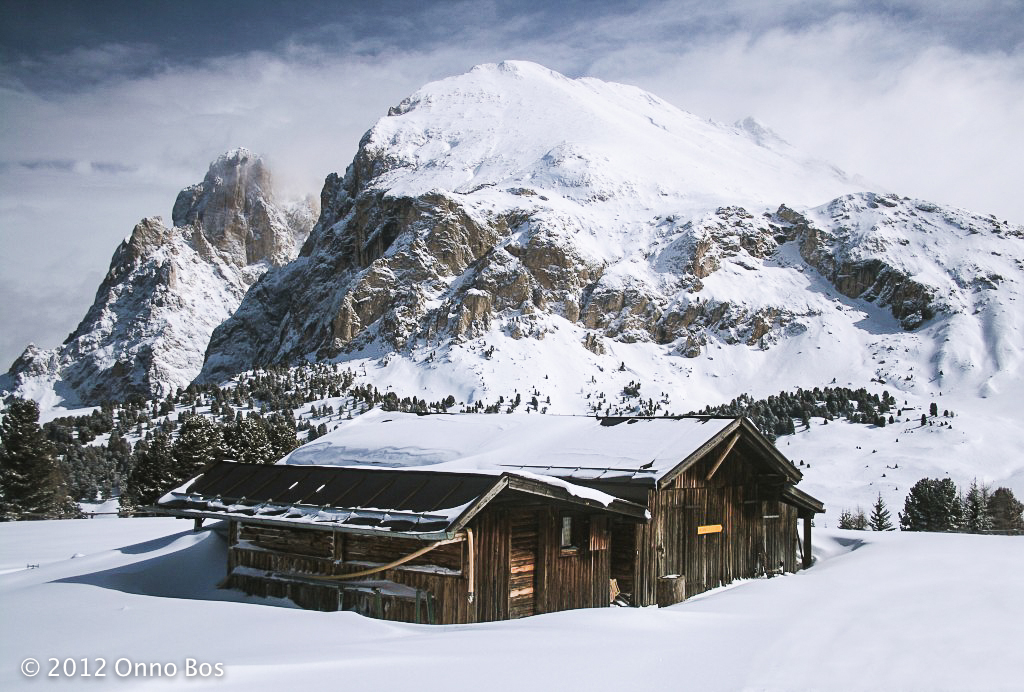
The Cabane de Moiry sits at 2,825 metres on a rocky promontory above the Moiry glacier in the Val d'Anniviers. The hut belongs to the Sierre section of the Swiss Alpine Club. It is closed to public guests from mid-October to mid-March.
In November 2025, the section invited a long-time member named Élise Pittet to spend the month at the hut alone, in a quiet experimental arrangement intended to monitor the building, the weather, and the structural behaviour of the recent extension through the early winter.
Pittet, fifty-seven, is a retired civil engineer from Sion and has volunteered at Moiry as a relief warden since 2014. She knows the building's plumbing, electrical, and ventilation systems intimately. She is also, by long observation, comfortable alone.
She walked up to the hut on 1 November in fresh snow, carrying twenty-one kilograms in a small pack. The approach from the Moiry dam at 2,250 metres took her three and a half hours. The temperature at the hut on arrival was minus seven degrees.
The Cabane de Moiry consists of an original stone hut from 1924 and a striking glazed extension completed in 2010 by the Sion architects Bonnard Woeffray. The extension cantilevers over the moraine and presents a wide south-facing glass face onto the glacier.
Pittet's brief was simple. Keep the building above freezing in the kitchen and bath core. Record weather twice daily. Photograph any new cracks in the extension's structural joints. Note any unusual snow loading. Communicate by VHF with the Sierre office on Tuesdays at 18:00.
She kept a paper journal, which the section has agreed to make available to researchers. The entries are mostly weather, food, and the slow visible changes in the glacier's surface across the month.
On her third evening, the wind reached gusts of 102 kilometres per hour from the southwest. The cantilevered extension flexed audibly. Pittet documented the noise without alarm. The Bonnard Woeffray design was modelled for wind loads to 180 kilometres per hour. The hut held.
Pittet cooked on a propane two-burner from supplies she had carried in and supplemented from the hut's winter pantry. Her menus, by her journal, were spare: oats with dried apricots, lentils with onion, polenta with cheese from the Anniviers valley, an apple a day until the apples ran out on day eleven.
She read in the evenings by the light of a single LED. She had brought three books: a 1982 French edition of Marguerite Yourcenar's Mémoires d'Hadrien, a paperback of Hermann Buhl's Achttausend drüber und drunter, and a worn translation of Robert Macfarlane's The Old Ways.
The hut's solar array, sized for summer operation, produced enough power in November for the LED bulbs and the VHF radio. The kitchen's small electric refrigerator was switched off for the season. The exterior, in any case, was the refrigerator.
On 9 November, a party of three Swiss-German ski tourers arrived unannounced from the Cabane des Becs de Bosson over the Col de Sorebois. They had not realised Moiry was closed. Pittet served them hot water and dried fruit and let them sleep on the floor of the winter room.
They left at first light, gracious and slightly embarrassed. Pittet noted the visit in her journal and in the radio log. The section thanked her and added a paragraph to the next season's notice.
The glacier below the hut is the Moiry, a tongue roughly 5.6 kilometres long that has retreated approximately 600 metres at its terminus since 1985. Pittet's daily photographs from a fixed marker on the porch will be added to the Swiss Glacier Monitoring Network's archive.
She measured snow depth each morning at three stakes she had planted within fifty metres of the hut. Cumulative snowfall for November 2025 at Moiry came to 1.42 metres of new snow. The deepest stake recorded an on-the-ground depth of 78 centimetres at month's end.
On the night of 21 November, she watched the aurora-tinged glow of an unusual upper-atmosphere event from the porch, in a wool sweater and a down jacket, at minus eighteen degrees, for forty minutes. She wrote three short sentences about it in the journal and went to bed.
Pittet's longest single conversation in November was sixteen minutes by VHF with the Sierre office on the Tuesday of the second week. She remarked, in her journal, that the silence had not weighed on her. She had not expected it to. It still surprised her.
She walked out on 30 November in clearing weather, after a final radio check and a sweep of the building. The descent in deeper snow took four and a half hours. The Sierre section sent her a thank-you note and a bottle of Fendant from the cooperative at Sierre.
Pittet says she would do it again. The section has not decided whether to repeat the arrangement next year. The Moiry hut, for the moment, sits empty above the moraine, the glass face of the extension reflecting a flat winter sky.