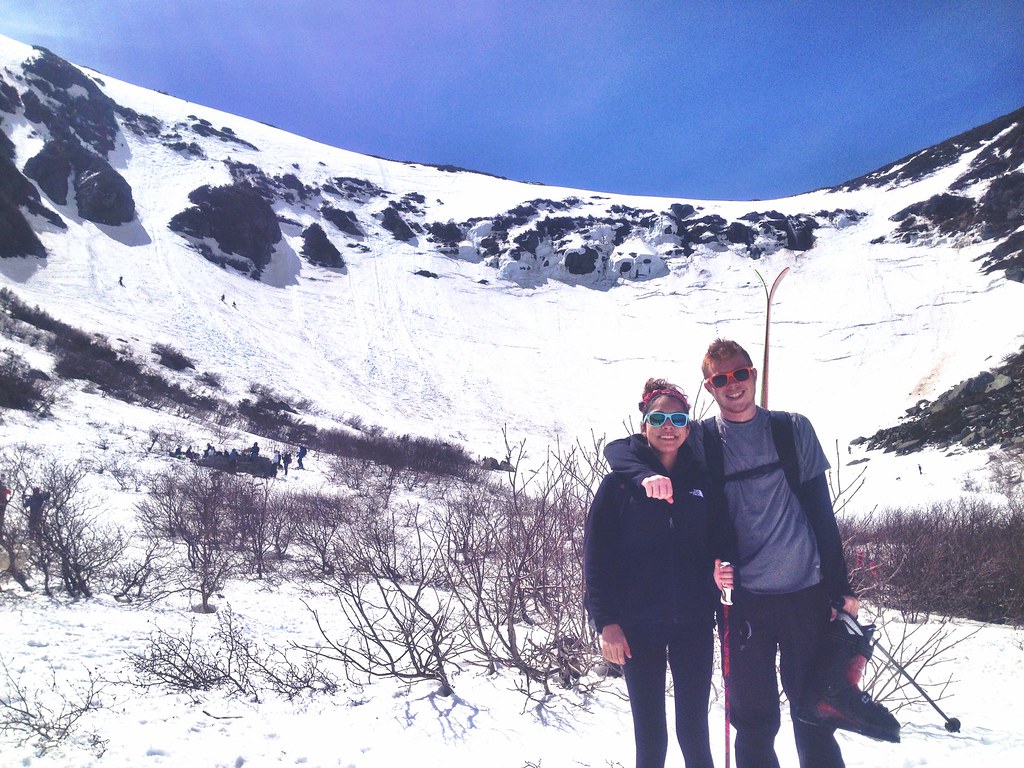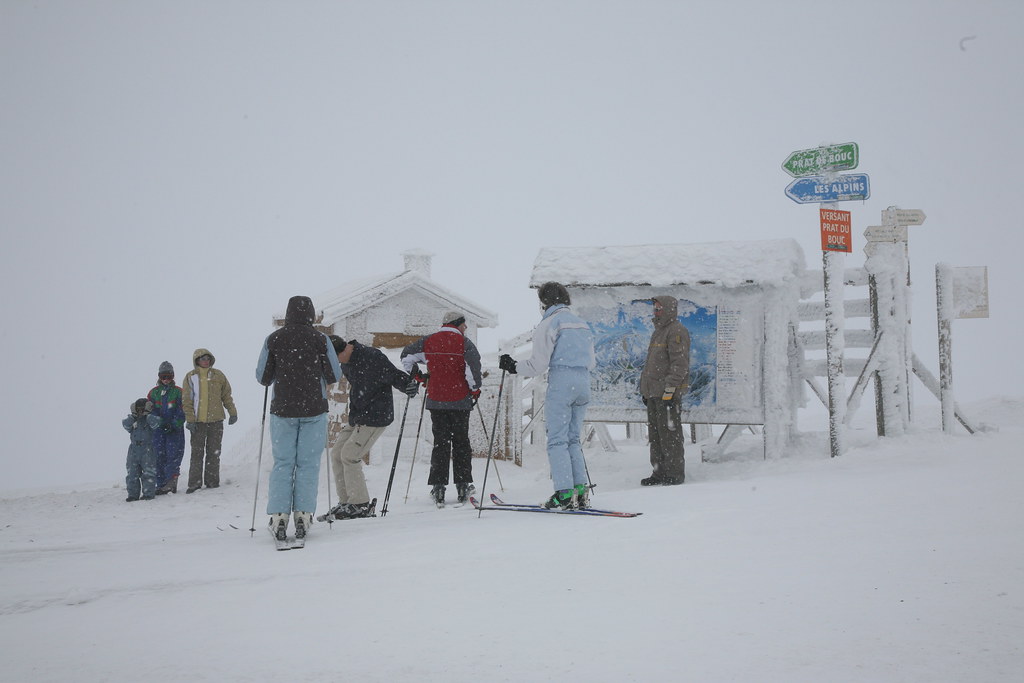
The Wendelstein observatory sits on a limestone summit east of the Tegernsee, in the Bavarian Alps, at 1,838 metres above sea level. It has recorded daily weather observations without interruption since 1883, which makes it the longest continuously operated alpine weather station in Germany and one of the oldest in Europe.
From November 2025 to April 2026 it was staffed, as it has been for the last forty years, by two people. The senior observer was Klaus Brettschneider, 58, who has worked at Wendelstein since 2002. The junior was a meteorology graduate named Yara Lichtblau, 27, on her first full winter rotation.
They worked alternating eight-day shifts. One climbed up by the cog railway on a Monday morning. The other climbed down. They overlapped for an hour at the changeover, drank a coffee, exchanged the logbook, and then the one going down rode the train into the valley while the one going up began the day's observations.
There is also, throughout the winter, a janitor named Pavel Horák who keeps the building's small living quarters in order, but Pavel is generally absent for the worst weather, which is when Klaus and Yara are most occupied.
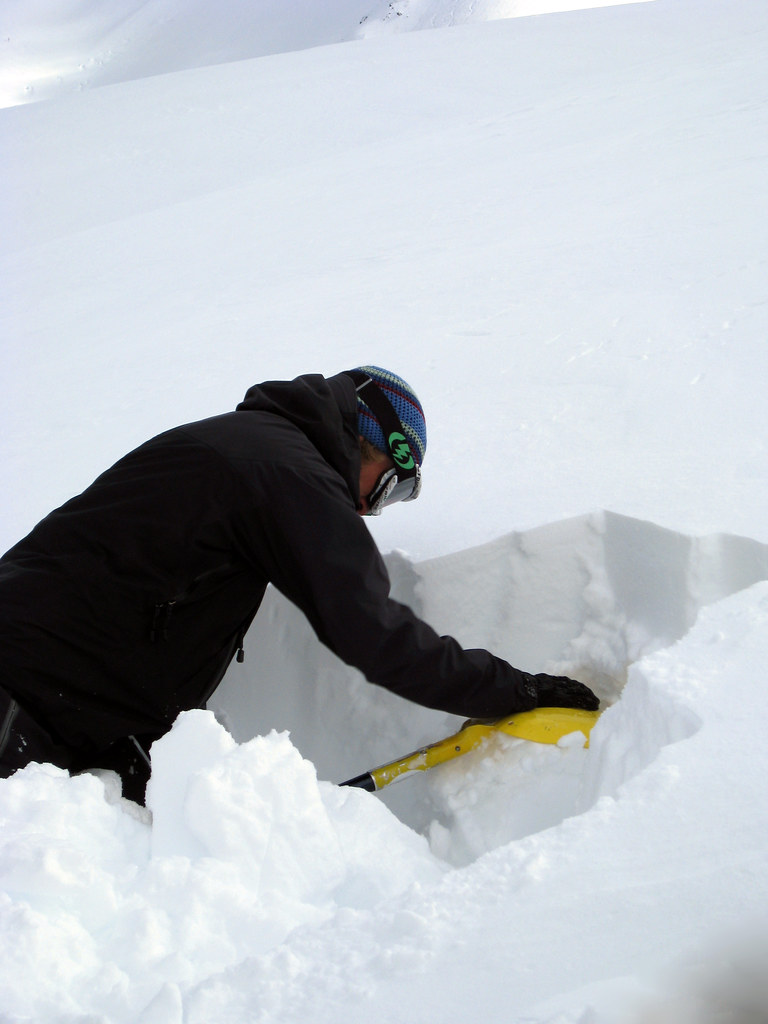
The observations themselves are unchanged since the 1880s in most respects. Air temperature, dew point, atmospheric pressure, wind speed and direction, cloud cover, visibility, and precipitation are recorded at synoptic hours: 0000, 0600, 1200, and 1800 UTC. Snow depth and new snow accumulation are recorded once daily, at 0700 local. A snow profile is taken once a week.
The instruments have been modernised in stages. The mercury barometer was replaced by an electronic sensor in 1998. The thermograph was retired in 2007. The anemometer cups were replaced by a sonic unit in 2014. But the observer's notebook, a hardcover ledger with pre-printed columns, remains in use, and observations are still written in pencil before they are entered into the digital system.
Brettschneider keeps the older instruments in working order in a small museum room off the main observation deck. The mercury barometer still works. He calibrates the electronic one against it twice a year.
The 2025-26 winter at Wendelstein was, by the long record, a warm one. The mean temperature for January was minus 4.2 Celsius, against a 142-year mean of minus 6.8. February was warmer still. The snowpack at the summit peaked at 245 centimetres in late February, against a long-term peak average of 310.
Wind, however, was unusual. A storm on 17 January produced a sustained ten-minute mean of 152 km/h, with a peak gust of 187. Brettschneider, who was on shift, recorded the data, telephoned the regional office in Munich, and then spent the next nine hours inside the observation building because going outside would have been unsafe.
He noted in the logbook, in pencil, that the building had performed as designed.
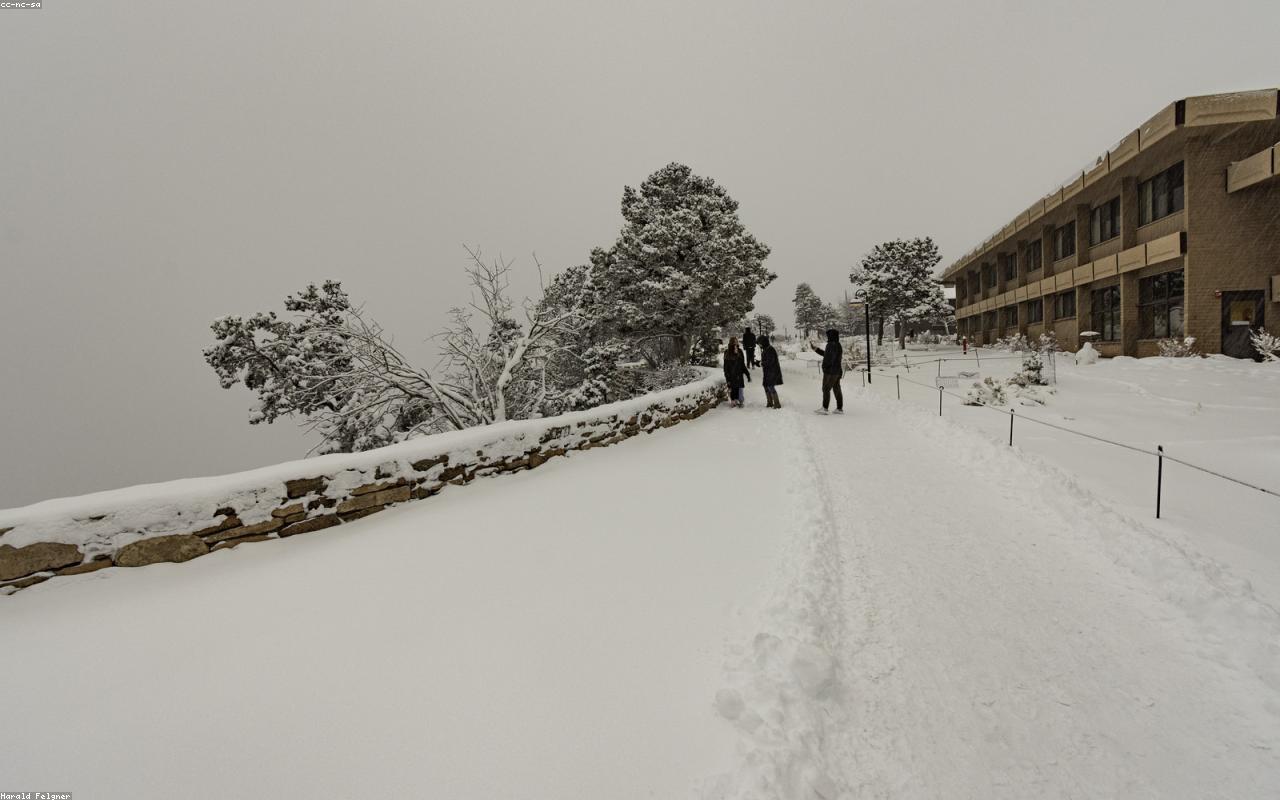
The Wendelstein building was constructed in 1883 and substantially rebuilt in 1955. Its walls are forty centimetres of mortared limestone. Its roof is anchored to the bedrock with steel cables. It has survived recorded gusts of up to 213 km/h without structural damage, though shutters and the wooden walkway on the south side are replaced on roughly a fifteen-year cycle.
Lichtblau spent her first shift, in early November, learning the procedures from Brettschneider in the four days they overlapped at the start of the season. By her second shift she was alone for eight days. By her fourth she had handled a storm of her own, on 9 December, that brought 42 centimetres of new snow in eighteen hours.
She kept a personal journal in addition to the official log. Her entry for the morning of 10 December reads, in part: 'Snow at the door to my chest. Cleared the instrument enclosure in three trips. Sonic anemometer reading correctly. Pressure falling fast, third front of the night incoming. Coffee gone, used the emergency tin from the back of the cupboard. It is not good coffee.'
The station's role in the broader German weather network is modest. Its observations feed into the DWD's national synoptic dataset and are used in mountain weather forecasts for the eastern Bavarian and northern Tyrolean Alps. The snow profile is sent weekly to the Bavarian Avalanche Warning Service in Munich, which uses it to calibrate forecasts for the Mangfall and Chiemgau mountains.
But the station's deeper role is archival. The 142-year continuous record is a reference point against which all newer alpine stations are measured. The decadal trends visible in the Wendelstein record, including a clear increase in mean winter temperature since the 1980s, have been cited in roughly two hundred peer-reviewed papers on Alpine climate.
Brettschneider does not generally read those papers. He says, when asked, that his job is to take the observations correctly. Whether they mean what other people say they mean is, he allows, a question for those other people.
On the morning of 14 February, Lichtblau climbed down from her sixth shift of the season. She had recorded, on her watch, twelve days of high pressure, four storms of varying severity, one instance of supercooled fog that coated every surface of the observation deck with a centimetre of rime, and one technical fault in the sonic anemometer that she repaired herself by removing ice from the transducers with a wooden spatula.
She also recorded, on the morning of 11 February, an event that does not appear in the official log because it is not a measurable phenomenon. At 0641, twenty minutes before sunrise, the sky cleared above a layer of valley fog that filled the foreland to the north as far as Munich, and the Wendelstein summit stood, briefly, on what looked like an island.
She wrote in her personal journal that she stood outside for six minutes in minus 14 Celsius and did not think about her observations at all.
The 2025-26 season closed on 30 April with the standard end-of-season report, signed by both observers. The data were forwarded to the DWD archive in Offenbach. The instruments were checked, calibrated, and left running. Pavel returned for two weeks of summer maintenance. The next winter rotation begins on 3 November.