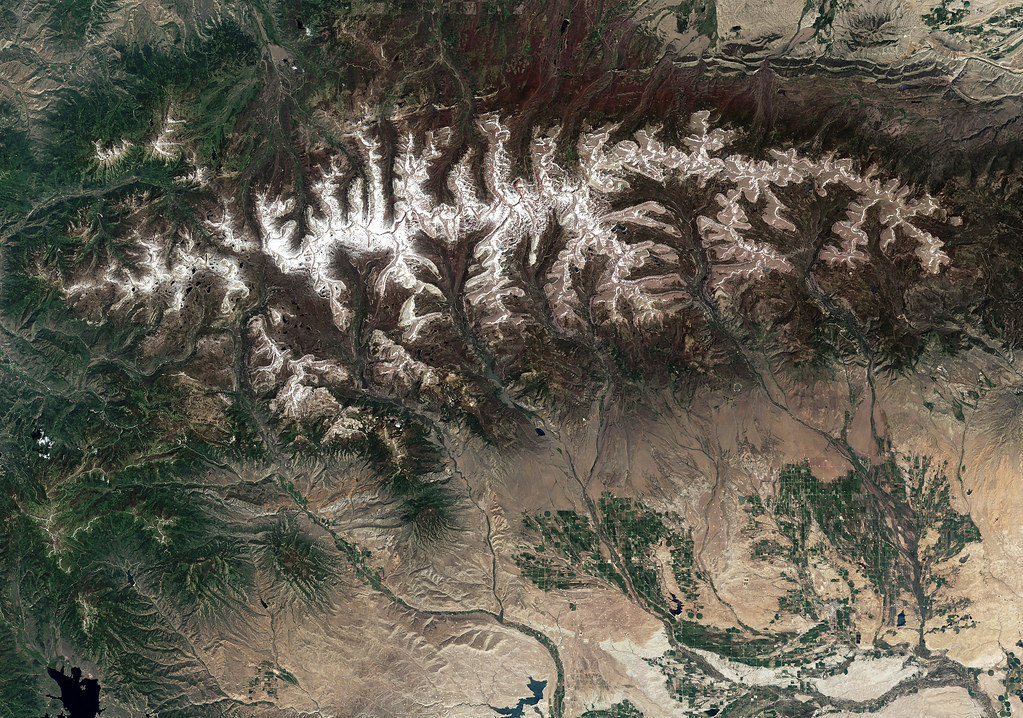
Wendell Pruett's pickup was parked at the Mirror Lake trailhead on the morning of Monday, May 4, 2026, the same place his wife Doreen had dropped him off on the previous Thursday afternoon. Doreen knew it was Wendell's truck because she had driven him to it, and because the windshield still bore the faded outline of a Ducks Unlimited sticker she had scraped off in 2019.
She had expected to find Wendell at the truck or near it. He had told her he would be back by Sunday evening. He had been gone, by then, four days and one night beyond his plan.
Doreen called the Summit County Sheriff's office at 11:14 Monday morning. The case was passed to Summit County Search and Rescue at 11:40. The unit's coordinator, a retired wildland firefighter named Cris Bowdry, started the call-out tree at 11:45. By 14:00 eight volunteers were at the trailhead. By 15:30 a Civil Air Patrol Cessna was overhead.
Pruett was sixty-six. He was a retired engineer for the Kennecott copper operation in Bingham Canyon. He had hunted the High Uintas for forty-one consecutive seasons. He was, by his wife's account, a careful and slow walker who knew the Bald Mountain drainage as well as the parking lot of the LDS chapel in Heber City where he had attended services every Sunday for thirty years.
His gear, by Doreen's reconstruction, was conservative. A wall-tent and stove, a heavy down bag, a synthetic over-bag, a propane lantern, a .300 Win Mag rifle in a hardcase, a Mossberg pump shotgun, two days of dehydrated food beyond his stated plan, a Bic lighter, three boxes of stick matches, and a Garmin InReach Mini that had been turned off, his wife said with some bitterness, because Wendell did not trust battery levels in the cold.
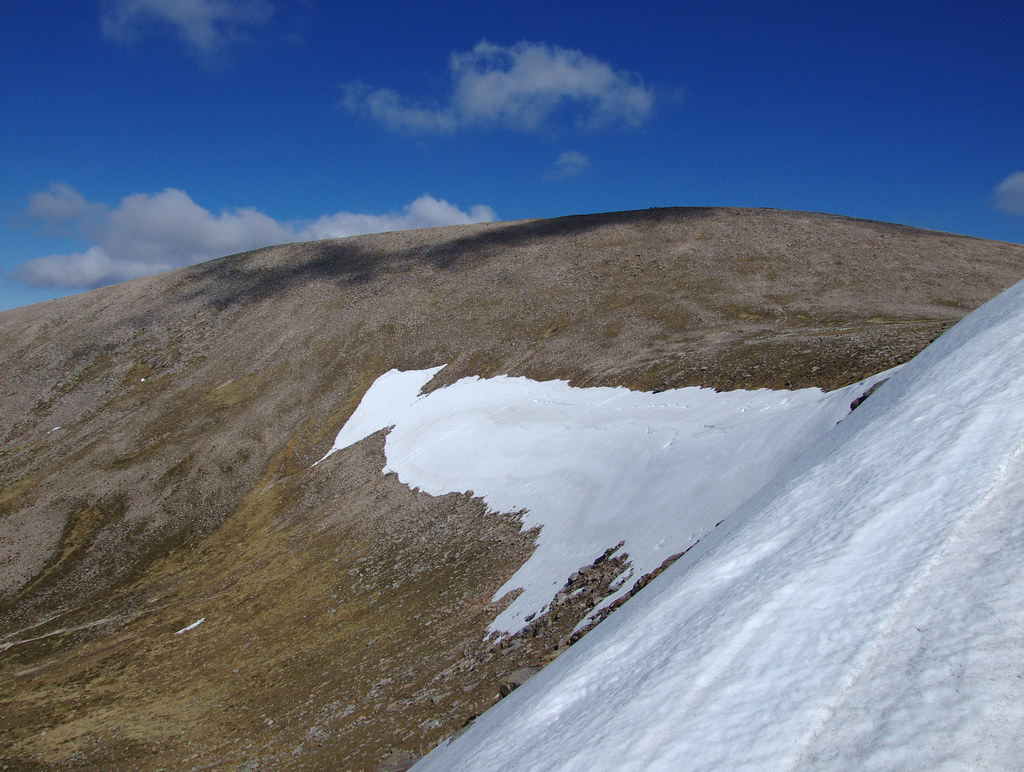
The High Uintas in early May are not a benign environment. The Bald Mountain drainage sits at around 10,500 feet. The snowpack in 2026 was running at one hundred and thirty per cent of average. Snow had fallen on the night of Saturday, May 2, dropping perhaps eight inches on top of an already wet base. Daytime temperatures in the drainage were near freezing. Night-time temperatures dropped to minus seven Celsius.
The first search day, Monday May 4, focused on the camping basins within a four-mile radius of the trailhead. The hasty teams found a likely camp site about two and a half miles in, on a small bench above Mirror Lake, but the site had been abandoned. The tent was packed. The stove was cold. The food cache was hung. There were boot tracks leading north toward the upper drainage, partially filled with the new snow.
The tracks gave out at the edge of a steep snowfield about three quarters of a mile beyond the camp. They did not reappear on the snowfield itself. The search shifted to grid pattern on Tuesday.
Bowdry brought in two K9 teams from Wasatch County, a second Cessna from CAP, and a drone unit from Salt Lake County. The North American Mountain Rescue Association coordinated a request for satellite imagery from a commercial provider, but the cloud cover over the drainage on May 5 and May 6 made the imagery unusable.
On Wednesday morning, May 6, a hasty team led by a SAR volunteer named Maria Otieno-Hyde found a second piece of evidence three quarters of a mile north of the abandoned camp. It was a rifle case. The case was open, empty, and partially buried in new snow. There was no rifle near it. There were no tracks near it. There were no marks on the case to suggest it had been thrown or dropped from height.
Bowdry interpreted the case as evidence that Pruett had been carrying his rifle out of the case when he was last in that location, which suggested an active hunt or an active defence. The interpretation widened the search to include the possibility of a bear encounter.
On Thursday, May 7, the search expanded to eighteen volunteers and a Black Hawk helicopter from the Utah Army National Guard. The Black Hawk flew an overlapping grid pattern across the drainage for six hours on Thursday and a further four on Friday. It found nothing.
Pruett was found on Tuesday, May 12, by a two-person hasty team retracing the original tracks one more time. He was lying in a small spruce thicket three miles from his truck and roughly two hundred metres east of his original known route. He had been dead, the medical examiner later determined, for between five and seven days. The cause of death was exposure complicated by a likely cardiac event.
His rifle was twenty feet from his body, leaning against a tree, with the bolt open and the chamber empty. There was no evidence of a bear encounter or of any other animal interaction. His Garmin InReach Mini was in his chest pocket. It was, as his wife had feared, switched off. The battery on examination was at sixty-three per cent.
Summit County SAR debriefed the search on May 18. The debrief identified no significant failure in the search itself. The grids had been thorough. The K9 teams had been competent. The helicopter time had been used well. Pruett's body had been in a spruce thicket dense enough that the helicopter could not have seen him through the canopy and the dogs, in the cold and the spring melt, had not picked up his scent until the snow began to soften in his favour.
Bowdry, when asked what could have been done differently, said almost nothing. The one thing, he said, was that Pruett's InReach had been off. With the InReach on, even without a triggered SOS, the device's regular tracking pings would have placed him within a hundred metres of his final position by the second search day. He would still have been dead. The team would simply have found him sooner, and Doreen would have had her answer four days earlier than she did.
Pruett's funeral was held at the Heber City LDS chapel on May 30. Bowdry and four other members of Summit County SAR attended. Doreen, in remarks at the funeral, said that her husband had loved the High Uintas more than any place on earth and that she did not begrudge them, in the end, for keeping him.
Summit County SAR responded to thirty-four call-outs between January and June of 2026. Five of them were overdue parties. Three of those five were resolved with a living subject. Pruett was the fifth. The other was a hiker on the Bear River Range who was found at her vehicle, having walked out without notifying her family. She bought the team coffee in Coalville and apologised.
Pruett's family has, since the recovery, made a gift to Summit County SAR of three thousand dollars, designated for the purchase of replacement satellite tracking devices that the team can loan to hunters and backcountry users at the trailhead. The first six devices were issued in early June. They are switched on, by team policy, before they leave the cache.