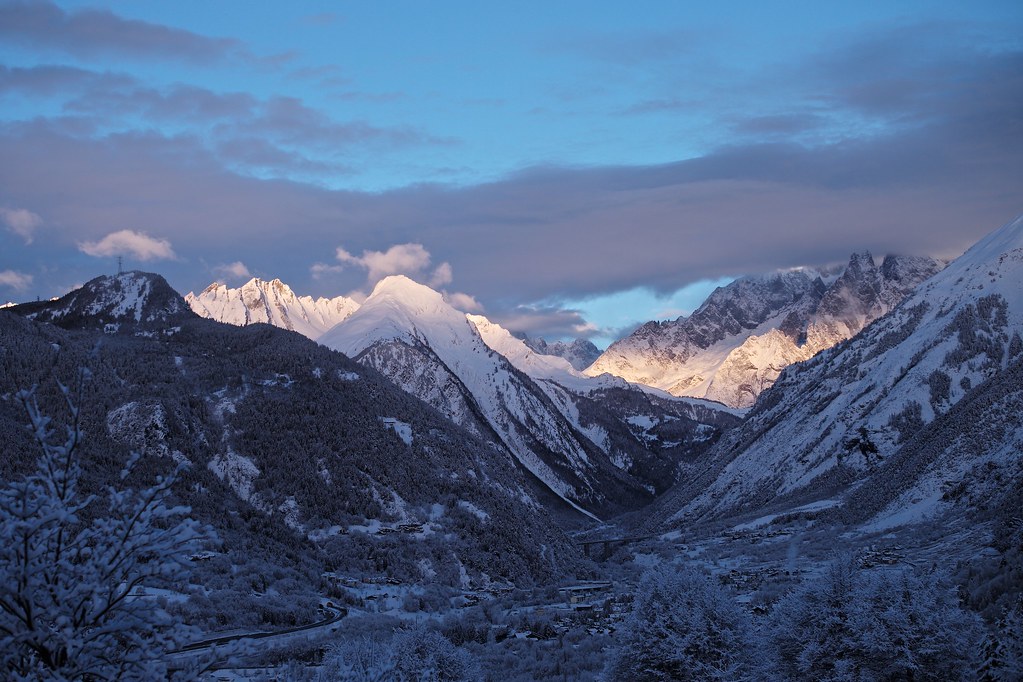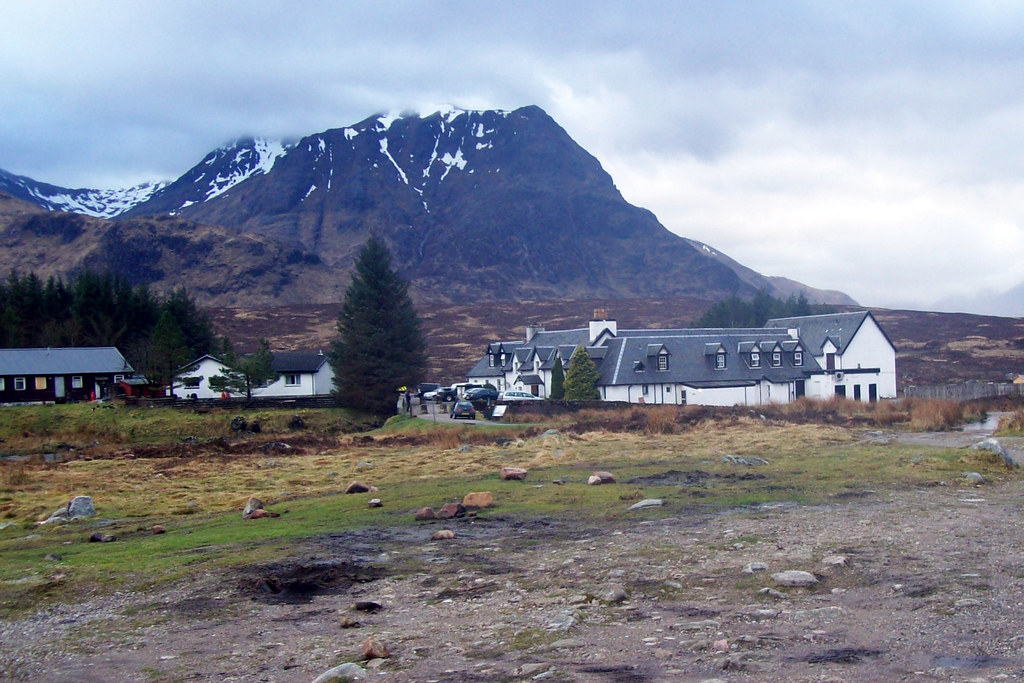
On the second day of February 2026, eight aspirant British Mountain Guides assembled in the car park of the Cairngorm ski centre at 06:50, in conditions that the day's senior assessor, a man named Stuart Hamilton, described, with characteristic understatement, as suboptimal.
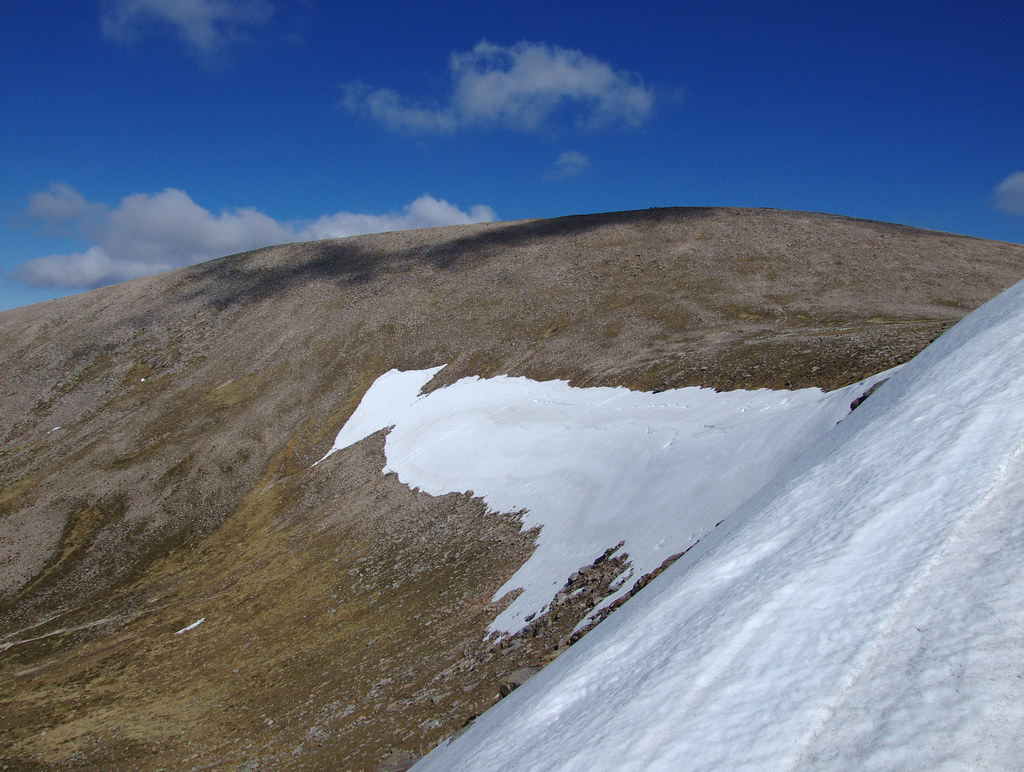
The wind on the plateau, according to the Met Office automatic station at 1,237 metres, was steady at thirty-eight knots from the north-northwest, gusting forty-seven, with a temperature of minus eleven degrees Celsius and a wind chill of approximately minus twenty-four. Visibility, the forecast said, would deteriorate through the morning.
Hamilton, who is fifty-two and has been a BMG examiner since 2014, looked at the windsock above the car park, said the conditions were good for what they were there to do, and led the cohort up the access track at a pace that was neither slow nor fast and that he had calibrated, over decades, to consume exactly the amount of energy an aspirant would need to have left over for the actual examination.
The British Mountain Guides scheme, founded in 1975, is the United Kingdom's national member of the IFMGA. It is small, with approximately one hundred and fifty fully qualified members in 2026, and its assessment process is calibrated to the particular and largely unique demands of British mountaineering in winter.
The particular demand, on which the entire scheme is hinged, is that Scottish winter conditions do not resemble Alpine winter conditions. The snow is wetter. The rock is wetter. The visibility is worse for longer. The routes are shorter but the consequences of mismanagement on those routes are not less severe.
A BMG aspirant who has trained primarily in the Alps will, in Scotland, encounter a kind of mixed climbing that requires different gear placements, different rope management, and a different relationship to the weather forecast. The scheme's winter assessment module, held annually in Cairn Gorm and on Ben Nevis, is designed to find out whether the aspirant has internalised these differences or merely understands them.
The cohort that February morning included two Englishmen, two Scotsmen, a Welshman named Iolo Pritchard, a Frenchwoman who had transferred her IFMGA aspirant status from the SNGM, an Irishman based in Snowdonia, and a New Zealander called Henare Williams who had come over for the assessment specifically and had been climbing in Scotland for two seasons in preparation.
The first day's objective was a teaching exercise on the lower section of the Mess of Pottage, a popular winter venue on Coire an t-Sneachda. The exercise was straightforward in description. Each aspirant would lead a notional client up a Grade III mixed pitch, construct a belay, bring up the client, and demonstrate a lowering and rappel sequence appropriate to a deteriorating-weather descent.
What made the exercise difficult was not the climbing. It was the wind. By 09:00 the gusts at the corrie floor were over forty knots and the spindrift was sufficient to require goggles for most of the morning's stationary work. Aspirants were graded, in part, on how well they communicated with their notional clients through hoods, balaclavas, and the constant noise of wind and snow.
Pritchard, the Welshman, led his pitch in fourteen minutes. He placed three pieces of gear, all of which would, on examination, have held a fall, and he constructed his belay using two of them plus a small but solid hex in a horizontal crack. His communication with the notional client, played by a fellow aspirant, was minimal but adequate.
Hamilton noted the placements approvingly and made no comment on the communication. Several other aspirants, climbing the same pitch in the next hour, were noted for excessive verbal coaching, which Hamilton, at the debrief that evening, characterised as a sign of nervousness rather than care.
The afternoon was given over to a navigation exercise on the Cairn Gorm plateau in conditions that had, by then, dropped to fifty-metre visibility. Aspirants were given a series of waypoints in grid references and asked to navigate to each one using compass and pacing alone. GPS units were carried as safety equipment and could be checked only at the end of each leg.
Williams, the New Zealander, missed his first waypoint by ninety-two metres. Hamilton, when shown this, said it was within tolerance for the conditions but at the upper end of tolerance. Williams did not miss any of the subsequent five waypoints by more than thirty metres.
The plateau navigation exercise is, by long tradition in the BMG scheme, the moment at which the difference between an aspirant who has trained in Scotland and one who has merely visited becomes legible. The aspirants who have trained in Scotland walk through the whiteout with the same gait they walk through the corrie. The aspirants who have only visited walk more carefully and more slowly, and they consume, by the end of the exercise, noticeably more energy.
On day two, the cohort moved to Ben Nevis, a four-hour drive west. The objective was a longer mixed route on the North Face, Tower Ridge, with each aspirant leading a section of three pitches under the observation of a different examiner. The forecast for the day was better than the previous one, with winds at the summit projected at twenty-two knots and visibility above the cloud base, which was at 1,000 metres.
The North Face of Ben Nevis is not, in absolute terms, a large mountain face. It is, in winter, one of the most consistently demanding mixed-climbing environments in Europe, with a density of historic routes that no other British mountain approaches.
Tower Ridge itself is the easiest of the major routes on the face. It is also long, with approximately six hundred metres of vertical gain from the base of the ridge to the summit plateau, and it is, in winter conditions, sustained at Grade III with two short steps of Grade IV.
The cohort climbed in three ropes of two with an examiner on each rope. The Frenchwoman, Lucile Marchand, led the second rope's first section, comprising the Douglas Boulder and the first part of the East Ridge above it. Her placements were efficient. Her pace was slightly faster than the examiner would have chosen.
At the top of the Eastern Traverse, Marchand stopped without prompting, ate a piece of chocolate, drank water, and looked at her watch for the first time in two hours. The examiner, who was a Scotsman named Donald MacRae, made a small note. The note read, in his own private shorthand, that the aspirant had stopped on her own initiative, which is, in the BMG scheme, a thing that examiners watch for.
The Great Tower itself was climbed in lengthening light at 15:30. The summit plateau was reached by all three ropes by 17:10, and the descent to the CIC Hut was made in headlamps in the last hour. The cohort, back at the hut, ate a meal of pasta and tinned tomatoes that the examiners had prepared and that nobody, including the examiners, would describe as good food.
Of the eight aspirants in the cohort, seven would, after the autumn module, be awarded the BMG carnet. The eighth, an Englishman from Sheffield whose performance on the plateau navigation had been weak, would be asked to re-sit the winter module the following February. He took the news, when it was given to him by Hamilton at the assessment's end, with a single nod and a remark, in the small kitchen of the CIC Hut, that he had himself thought he might be the one.