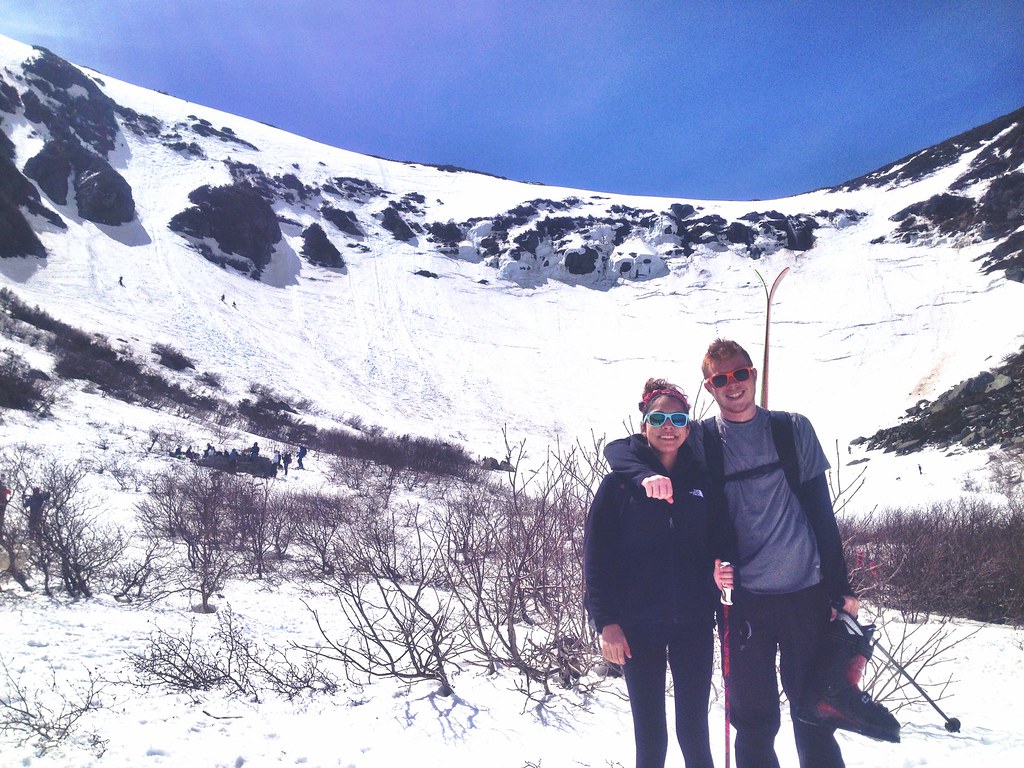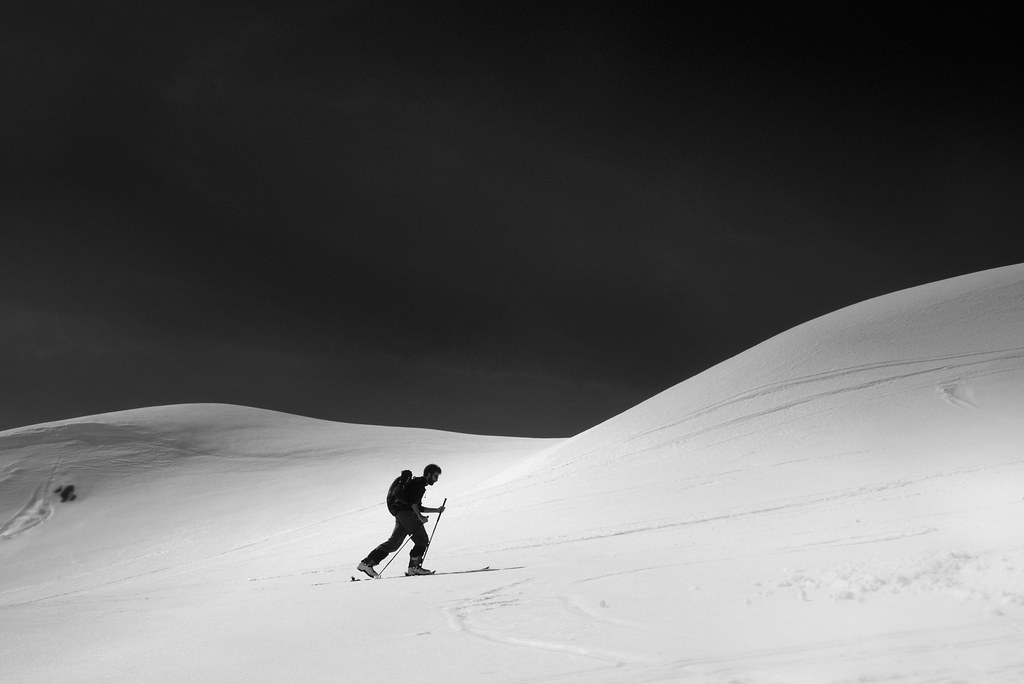
On 22 April 2026, at 0530, a retired lift mechanic named Will Pruett stood in the parking lot at the Bridger Bowl base, drinking coffee from a thermos, watching the temperature read minus 4 Celsius on his truck's outside thermometer. He had been doing some version of this same morning, in this same parking lot, for thirty-one years.
Pruett is one of perhaps two dozen skiers in the Bozeman area who organise their entire spring around the production of corn snow. Corn snow is not a marketing term. It is a specific stage in the metamorphism of an old, deep snowpack that has been through dozens of melt-freeze cycles. It looks, when it works, like coarse sugar. It skis like nothing else.
The conditions required to produce it are narrow. The snowpack must be isothermal, meaning the same temperature throughout, at zero degrees Celsius. The surface must refreeze hard overnight. The morning must warm, in clear sun, to a few degrees above freezing. And the skier must be standing on the slope at the moment, perhaps forty minutes wide, when the top three centimetres have softened and the rest has not.
Pruett calls this the window. He has a system for finding it.
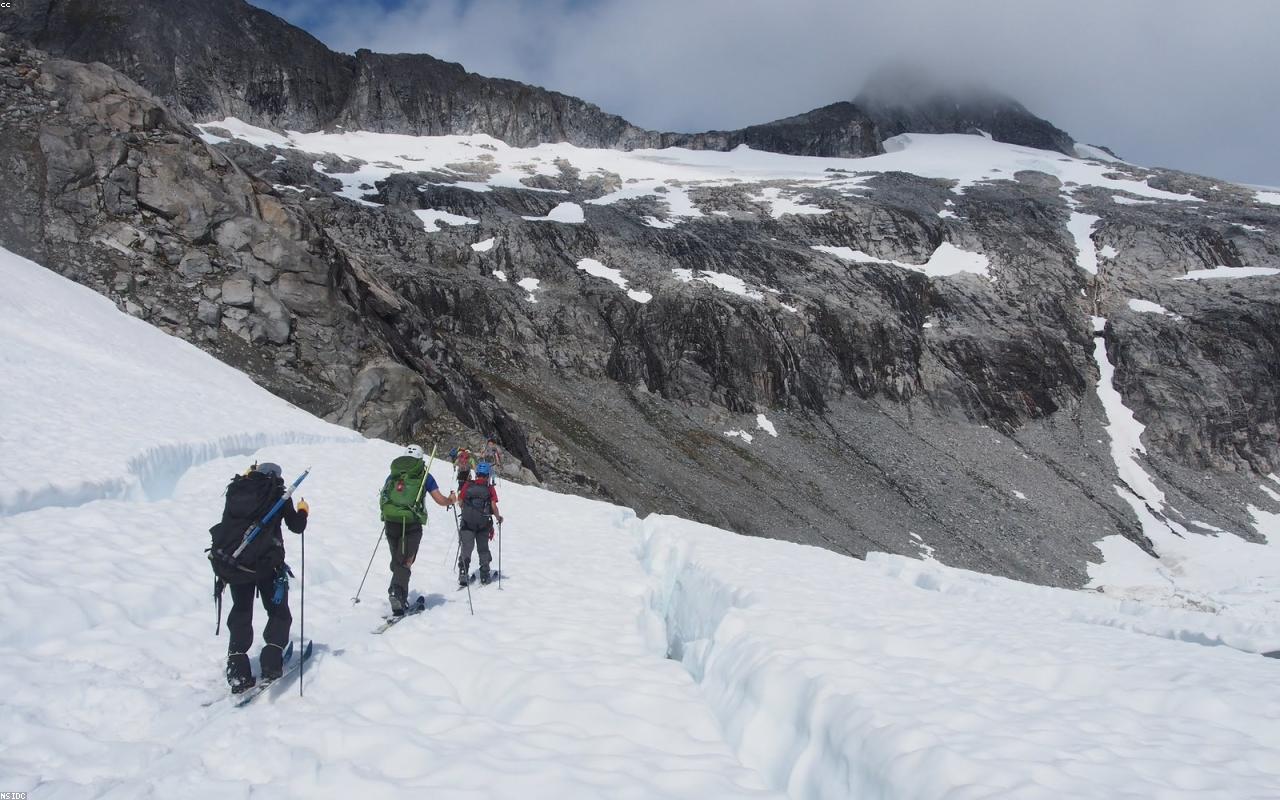
He chooses an aspect based on the previous night's low. If the low was below minus 6, he wants an east-facing slope, which gets the morning sun first. If the low was around minus 2, he wants a south-facing slope, which will warm more slowly. He climbs at a pace calibrated to arrive at the top of his chosen line about thirty minutes after the sun has hit it.
On the 22nd, he climbed an east-facing line called Saddle Peak, three hundred and ninety metres of vertical from the ridge. The sun hit the upper bowl at 0648. He arrived at the top at 0717.
He waited eleven minutes, eating an apple. Then he skied.
Corn snow, when correctly timed, is the closest thing in skiing to a controlled medium. The skis carve cleanly. The surface offers a small, audible hiss that experienced corn skiers wait for. There is no breakable crust, no sticky transition, no surprise patches of ice. The legs do less work than on any other surface in the discipline.
It is also, Pruett notes, almost the only condition in which a 67-year-old skier can outpace a 25-year-old on the same slope. The corn rewards smoothness, not strength.
The Bridger Range is a small wall of mountains that runs north from Bozeman for about thirty-five kilometres. It receives roughly eight hundred centimetres of snow in an average winter. Most of that snow falls from December to March in a series of cold storms driven by Pacific moisture moving inland. By early April, the lower elevations have lost their snow entirely, and the upper bowls hold a deep, settled pack that becomes the substrate for corn.
The corn season, in a typical year, runs from about 5 April to 12 May. In a poor year, it may not happen at all. In 2018, an early heat wave brought the snowpack to isothermal too quickly, then sustained warm nights for ten days; the snow rotted before it could refreeze. There was no corn season.
Pruett, who has skied 28 of the last 31 years on Saddle Peak in April, missed only those three years. Two were the result of weather. One was a knee surgery.
He shares his observations by text message with a group of five other skiers, all in their sixties and seventies, who call themselves, with some self-mockery, the Corn Trust. They do not have a website. They do not post photographs. They simply send each other temperature readings, aspect notes, and times of arrival at the trailhead.
On the morning of the 22nd, Pruett's message to the group read: 'East face SP, top at 0717, in by 0735, perfect for about 40 min.' One of the recipients, a retired professor of geology named Edith Mahon, replied: 'Confirmed S-face Blackmore tomorrow 0750. Bring two skins.'
The reason for the two skins is mundane. Spring climbing on warm wet snow tends to soak the glue on the climbing skins. A second pair, kept dry, allows for a second lap in the afternoon if the snow refreezes briefly on a shaded aspect.
Corn skiers tend to be older. The reasons are partly demographic, partly philosophical. The condition itself is forgiving of older bodies. The hours are inconvenient for anyone with children at home. The discipline rewards patience and pattern recognition rather than fitness or boldness.
It also rewards a willingness to fail. Of the eight mornings Pruett climbed in April 2026, three produced no usable corn. The snow was too hard on two mornings, too wet on one. He skied down anyway, on conditions he described to the Corn Trust as instructional.
By 8 May the snowpack on Saddle Peak had thinned to the point that exposed rocks made the line unskiable. Pruett moved his efforts to higher and more shaded bowls in the Tobacco Roots, where the corn season continued into the third week of May.
He estimates he gets, in a good spring, perhaps twelve mornings of true corn skiing. The rest is approximation. He calls the twelve mornings the reason for the other forty.
On the last day of his 2026 spring, 17 May, on a north-east face above Albro Lake, Pruett skied for nine minutes in what he later described, in a text message of unusual length for him, as the best corn of his life. Then the snow softened past the window, and he walked back to the truck.