On the 8th of November, the BLM cable car from Stechelberg up to Mürren begins its annual two-week maintenance shutdown, and the only way into the village is by the narrow-gauge mountain railway from Grütschalp.
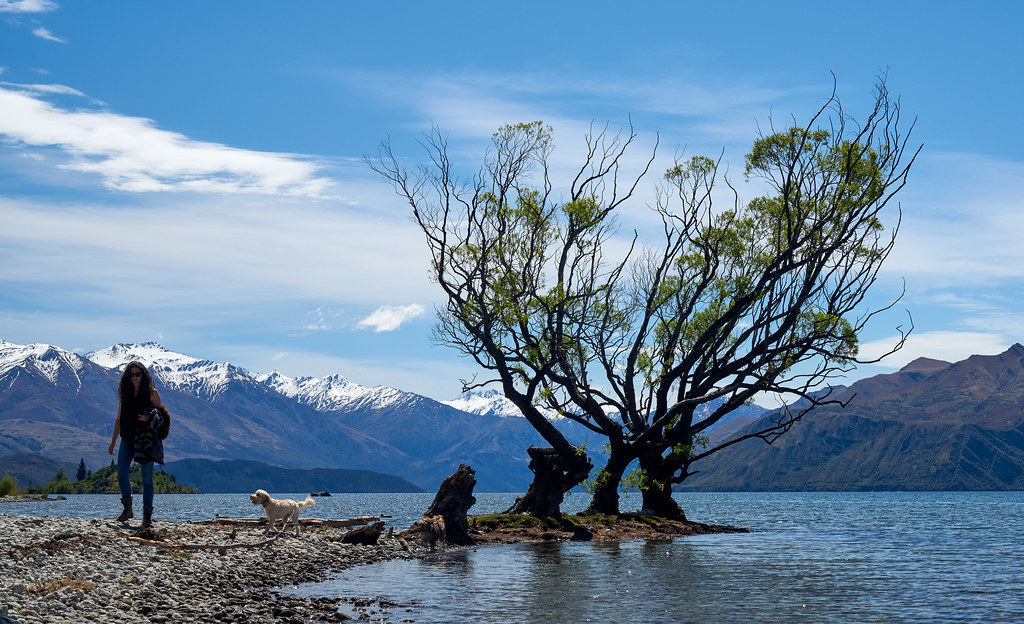
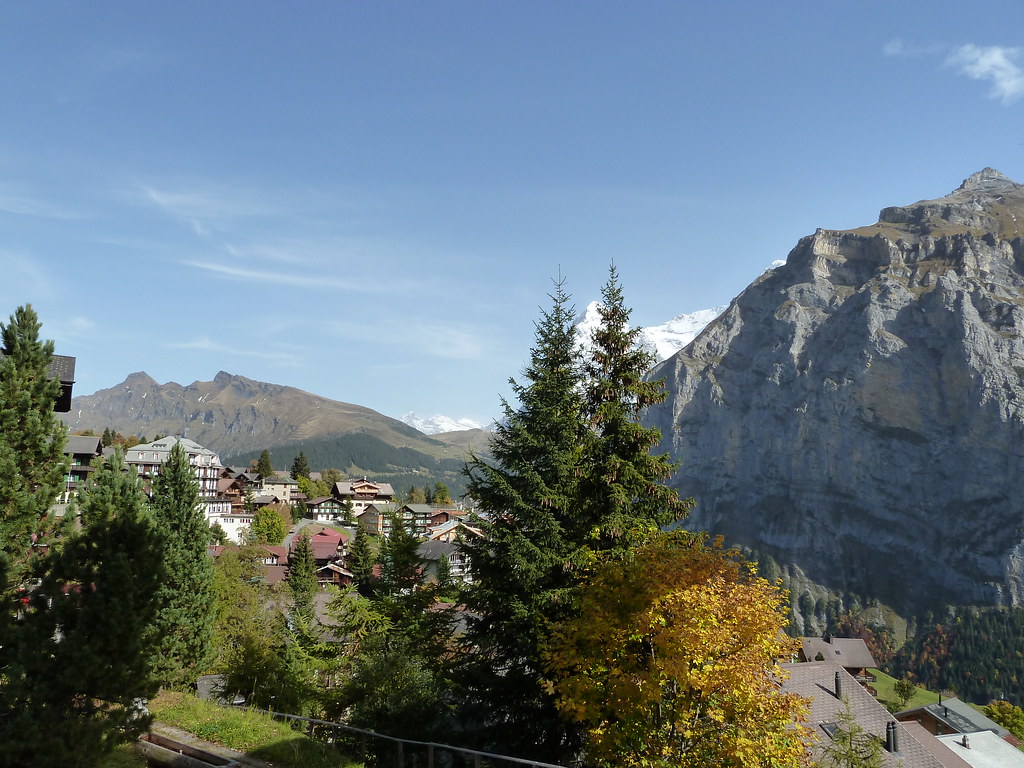
Mürren sits on a shelf at 1,650 m on the west wall of the Lauterbrunnen valley, directly across from the Jungfrau, Mönch and Eiger. It has 430 year-round residents, no roads, and approximately one parking space, which belongs to the village snow plough.
Between the close of summer hiking season in mid-October and the start of skiing in mid-December, Mürren goes quiet in a way that few alpine villages still do.
Brigitte Stähli, who has worked the front desk at the Hotel Eiger since 1998, says she has perhaps fifteen guests on a typical November weekday, against two hundred in February. It is the only time of year I can answer the telephone myself, she said in early November.
The Hotel Eiger does not close in November. Neither does the Hotel Bellevue, the Hotel Alpenruh, or the small Pension Suppenalp. The Hotel Edelweiss does. So does the Sportzentrum.
The Schilthornbahn cable car, which carries summer tourists to the 2,970 m Piz Gloria summit made famous by a 1969 Bond film, closes its upper sections for three weeks in November. The lower section to Birg stays open by request.
On the 11th of November the village received its first dusting of snow, perhaps three centimetres, and by lunchtime the shoulders of the trail to Allmendhubel were white. The snow was gone by the next afternoon.
The Mürren Bergbahnen, the cooperative that runs the village's lifts and trains, employs forty-two full-time staff and perhaps a hundred and twenty seasonal workers in winter. In November the cooperative runs at minimum staffing, mostly maintenance technicians.
Daniel Feuz, who has been the head technician for the BLM railway since 2014, was working on the brake systems of the four-car train on the 9th of November. He has done the same job in the same week every year for twelve years. The train has to be perfect by the 15th of December, he said. That is the only thing that matters.
The village school, the Schulhaus Mürren, has thirty-one children in grades one through nine. In November the children walk to school by the village's single paved path, past the church and the small Coop grocery, and home again. There are no cars to wait for.
The Coop, which is the only grocery store in the village, narrows its hours in November. From the 1st to the 30th it closes at 5:30 in the afternoon and is shut entirely on Sundays. The manager, Stefan Furrer, takes his annual two-week holiday in the second half of the month.
The Bergrestaurant Allmendhubel, at 1,907 m above the village, closes for the season on the 4th of November and reopens for skiers around the 18th of December. In the interval the building is locked and the picnic tables on the terrace are stacked.
The Allmendhubel funicular itself, which is among the oldest in Switzerland, opened in 1912 and was rebuilt in 1999. It does not run in November.
What does run, and what defines Mürren in November, is the BLM railway. It departs from Grütschalp on the half hour, takes fourteen minutes to reach Mürren, and is the only mechanical connection between the village and the lower valley for two weeks of the year.
On the 12th of November, a Wednesday, the 14:30 train carried four passengers: two locals, a Forestry Office surveyor from Interlaken, and a single English-speaking tourist who looked surprised to be there.
Across the valley the north face of the Eiger had its first proper snow on the 10th, a heavy fall that built up on the upper third of the wall and then largely sloughed away by the 12th. The face does not begin to look winter-like, in the climbing sense, until mid-December.
Lucia Marengo, who has come to Mürren in November for nine of the last fifteen years, calls it the most legible alpine village in the Oberland. The terrain, she says, is briefly empty enough to see clearly.
The Hotel Eiger keeps a small bar open on its ground floor in November. On the 12th the bar had four occupants at seven in the evening: two railway technicians off shift, the Forestry surveyor, and Frau Stähli's husband, who runs the village's small ski-equipment workshop and was reading a newspaper.
Mürren has been receiving visitors since 1857, when the first British alpinists came up by mule. It has been a ski destination since 1910, when Sir Henry Lunn brought the first organised winter party. The Inferno Race, run from the Schilthorn to Lauterbrunnen, has been held annually since 1928.
In November none of this is visible. The village is simply a place where four hundred people live on a shelf at 1,650 m, with a train down to the valley and a wall of mountains across the gap.
The lifts will open. The skiers will come. The Inferno will run again in January.
For six weeks, none of that is the point.